Ars PraeparandiCatholic Estate Planning for the 21st Century
ENES
AN ANCIENT TRADITION. A PRESENT CALLING.

The Art of
Preparing Well

Catholic Estate Planning
for the 21st Century

How can preparing for the end of life help us live our faith today? This guide connects Catholic teaching on death and eternal life with the practical work of preparing an estate plan.

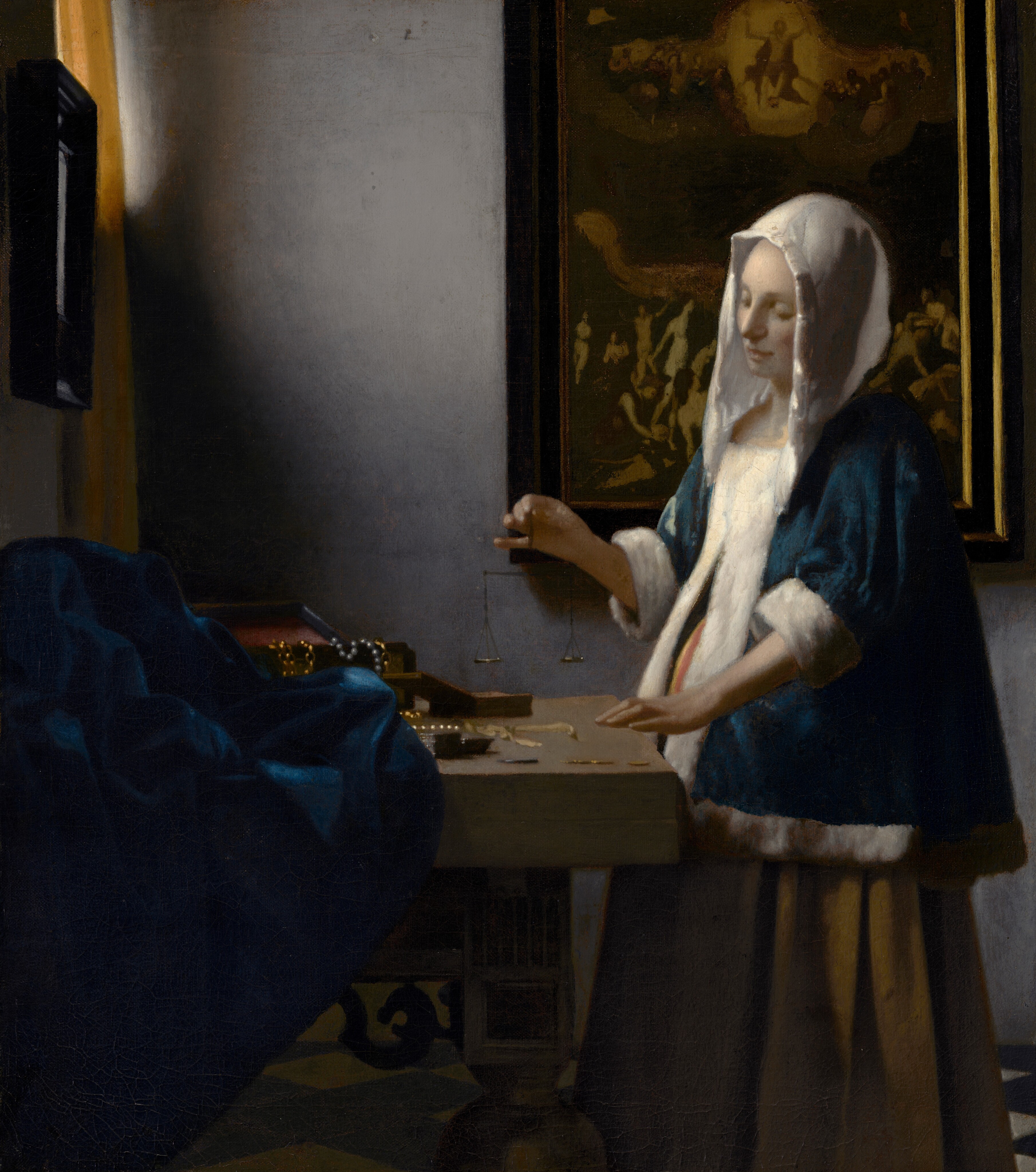
A woman quietly holds a small balance beside pearls and gold, with a painting of the Last Judgment on the wall behind her.
Woman Holding a BalanceJohannes Vermeer, c. 1664 · Widener Collection
National Gallery of Art · Public domain

A woman holds an empty balance beside her jewelry, beneath a painting of the Last Judgment.

A GUIDE FOR TODAY’S FAITHFUL

Remembering death. Learning to live.

Christ’s Resurrection is the source of our hope as we face the end of our lives.

MEMENTO MORI

Remember that you will die.

We have a limited time to care for the people God has entrusted to us. What deserves our attention today?

“For dust you are and to dust you will return,”Genesis 3:19

Why Christians remember death

A wisdom for living

The invitation to remember our mortality has deep roots in Scripture. Psalm 90 asks God to teach us to count our days wisely. Knowing that our lives have a limit gives weight to the decisions we make today: how we spend our time, whom we forgive, and how we respond to the needs around us.

Remembering in hope

Christian reflection on death takes place in the light of Christ’s Resurrection. The Catechism describes our earthly lives as a time of grace and mercy, and encourages us to prepare for death through prayer. Even familiar prayers place this preparation within our daily lives: in the Hail Mary, we ask for Mary’s intercession when death comes.

A practice for today

We can bring that awareness into a quiet examination of the day. Consider where you received God’s gifts, where you need his mercy, and what love asks of you now. Preparing thoughtfully for those who will remain after us can grow from the same attention to the responsibilities of the present.

Read: Psalm 90:12; Catechism 1013–1014.

ARS MORIENDI

The art of dying well.

The late-medieval Ars Moriendi tradition offered spiritual guidance for facing death. It encouraged preparation in faith, with the support of others.

Estate planning addresses practical responsibilities as you prepare for the end of life. Prayer and the sacraments remain central to spiritual preparation.

How the Church accompanies the dying

Guidance shared across generations

In the fifteenth century, illustrated books helped convey the art of dying. These guides spoke to the dying person and also to the family, caregivers, and priest who accompanied them. Preparing for death involved a community of people who could offer prayer, encouragement, and practical care.

Accompanying one another

That shared responsibility remains a fruitful part of the tradition. A person facing death may need someone who will listen patiently, make room for difficult conversations, and help them receive the spiritual support they desire. Loved ones also need guidance and reassurance as they learn how to be present.

Preparing before the final days

For us today, this tradition can encourage conversations while there is time to have them thoughtfully. Whom would we want beside us? Who knows that we would like a priest to visit? How can we make our wishes known and help those who may care for us? These conversations give others a way to express their love when we may no longer be able to explain what we need.

Visit: The Art of Dying Well; See a fifteenth-century example.

LAST RITES

Christ accompanies us
through the sacraments.

Christ offers forgiveness and strength in illness and at the end of life. These gifts belong at the heart of our preparation.

ReconciliationSeeking God’s mercy

In the Sacrament of Penance and Reconciliation, we confess our sins to a priest with sorrow and the intention to turn away from sin. Through sacramental absolution, God forgives us and restores our communion with him and the Church.

Confession is part of Christian life, not something to reserve for a final illness. Regular confession helps us recognize our need for mercy and grow in conversion. When illness becomes serious, ask for an opportunity to receive this sacrament while you can participate.

Learn more: USCCB: Penance · Catechism 1451–1458

Anointing of the SickStrength in serious illness

A priest administers this sacrament to a person whose health is seriously threatened by illness or the frailty of old age. It is appropriate to seek anointing before the final hours of life. The sacrament can be received again if a serious illness returns or the person’s condition worsens.

Through anointing, the Holy Spirit strengthens the sick person to face suffering in union with Christ. Physical recovery may follow if God wills it, but healing of the body is not promised. The sacrament also brings forgiveness when the person is unable to receive the Sacrament of Penance but is contrite & would confess their sins if they were able. A priest can also give the dying the Apostolic Pardon, a blessing with a plenary indulgence that, for a properly disposed person, removes all temporal punishment for sins already forgiven.

Learn more: USCCB: Anointing of the Sick · U.S. Catholic Catechism for Adults, p. 255 · Church teaching on indulgences

ViaticumThe Eucharist near the end of life

Viaticum is Holy Communion received by a person approaching death. It is the Sacrament of the Eucharist, not a separate sacrament. In receiving Christ, the dying person is strengthened by his promise of resurrection and eternal life.

Alongside Reconciliation and Anointing of the Sick, the Eucharist as Viaticum helps prepare a Christian for death. Ask about Viaticum early enough for the person to receive Communion while still conscious and able to receive it.

Learn more: Catechism 1524–1525 · USCCB: The administration of Viaticum

A RESPONSE TO WHAT WE HAVE RECEIVED

Your plan can be
an expression of love.

Christian stewardship begins with gratitude for God’s gifts and responsibility for their use. An estate plan helps you provide for those who depend on you. It also gives your family a record of your wishes when they need to make decisions.

Talk with the people you hope to name in your documents and make sure they know where to find important papers. You can also include a charitable gift to support your parish or other work that matters to you.

Read the U.S. bishops on stewardship
FROM REFLECTION TO PREPARATION

A will is only
part of the plan.

Think of these as five conversations to begin. Open each step for an explanation and a small action you can take.

Care for the people entrusted to youA will, dependents, and trusted decision-makers

A will directs the distribution of assets it controls and names an executor to administer your estate. Parents can also nominate a guardian for minor children, subject to the court’s approval. A trust may be useful in some circumstances; an attorney can help you decide.

Consider who depends on you and who could responsibly carry out your wishes. Talk with the people you hope to name before finalizing documents.

One small stepWrite down the people who depend on you and the questions you want to bring to an estate-planning attorney.
Put your affairs in orderAssets, beneficiaries, and financial authority

Make an inventory of accounts, property, debts, insurance, and important records. Review beneficiary designations on retirement accounts and life insurance: these often determine who receives those assets independently of your will.

A durable financial power of attorney can authorize someone to manage financial matters if you become incapacitated. It serves a different purpose from naming an executor and generally ends at death.

One small stepLocate your current documents and beneficiary designations. Tell a trusted person where to find them securely.
Make your healthcare wishes knownA trusted agent and Catholic moral guidance

Choose a healthcare agent who understands your Catholic convictions and can speak for you if you cannot. Discuss your wishes with that person and use advance-directive documents appropriate to your state.

Catholic care affirms the dignity of every human life. Decisions about treatment require attention to the likely benefits and burdens in the actual circumstances. Avoid blanket instructions that could reject appropriate care; discuss questions with your clinician and a qualified Catholic ethicist or diocesan resource.

For guidance within the Diocese of Little Rock, contact the Respect Life Office at respectlife@dolr.org. For urgent bioethics questions, the National Catholic Bioethics Center offers a 24/7 emergency ethics consultation line at (215) 877-2660.

One small stepAsk your intended healthcare agent to read the U.S. bishops’ guide to advance directives with you.
Prepare with the ChurchSacramental care, funeral rites, and burial

When you are seriously ill, let your loved ones know that you would like a priest’s visit for prayer and the sacraments. Contact your parish early rather than waiting until the last moments of life.

Speak with your parish about a Catholic funeral and burial arrangements. Record your wishes, including appropriate readings or hymns, in a place loved ones can access promptly. Funeral wishes left only in a will may not be found in time.

Regular prayer and participation in the sacraments are part of preparing throughout your life. Consider whether there is someone with whom you need to seek reconciliation.

One small stepAsk your parish for its funeral-planning guide and discuss it with someone close to you.
Consider a charitable giftFamily responsibilities and charitable intentions

After considering the needs of those who depend on you, reflect on the parish or charitable work you hope to support. A bequest or beneficiary designation can express a commitment that has shaped your life.

Ask the organization for its correct legal name and suggested gift language, then review the arrangement with your advisor. Explain any intended restrictions and confirm they can be honored.

One small stepName one work of the Church or charity that matters to you, and ask how an estate gift could support it.

This guide offers general education for U.S. readers, not individualized legal, tax, or medical advice. State requirements and personal circumstances differ. Work with qualified professionals to prepare and execute your documents.

Begin with a conversation.

Use the resources below to clarify your wishes and begin a conversation with someone you trust.

YOUR STARTING POINT

Choose one part of your plan.

Gather any documents you already have and consider what needs attention. You might begin with your will, your healthcare wishes, or your funeral arrangements.

YOUR FIRST CONVERSATION

Tell someone you trust.

“I want to prepare my estate plan thoughtfully, so you won’t have to guess about my wishes. Could we find time to talk?”

AS YOU PREPARE

Bring your questions.

Use the resources below to identify what you need to discuss with your family, your parish, or an attorney. Make sure the people who will carry out your wishes know where to find your completed documents.

GO DEEPER

Grounded in faith.
Supported by good guidance.